Scientific research is shedding light on the link between neuroinflammation processes, endocannabinoid system dysfunctions, and psychiatric disorders such as depression, psychosis, and autism.
In this scenario, the role of Palmitoylethanolamide (PEA) is emerging. PEA is a molecule physiologically produced by the body to counterbalance inflammation, particularly within the central nervous system.
The most promising feature lies in prevention and early intervention: supplementing with PEA in its ultra-micronized and highly bioavailable form (PEA-um) could represent an innovative strategy to intervene before a disorder fully manifests, by reducing neuroinflammation and enhancing endocannabinoid system function through biological mechanisms.
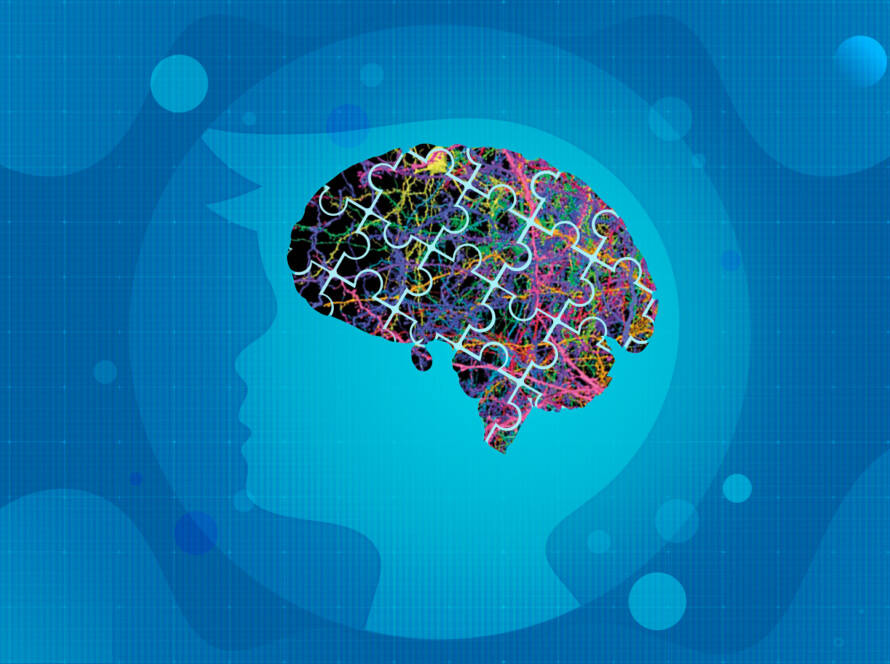
In the framework of an increasingly “integrated” psychiatric approach – which acknowledges the continuous dialogue between inflammation, metabolism, and the brain – um-PEA stands out as an effective and safe support to standard therapies. Enhancing the efficacy of conventional medications, and targeting basic biological mechanisms, it proves to be a progressively central and scientifically validated “piece” in the complex puzzle of mental health.
Read the full ANSA article for an in-depth look at recent evidence, mechanisms of action, and clinical perspectives.